
One of the patent office objections that frustrates me the most is an (unfounded) objection that a feature not currently in the independent claim(s) is an essential feature and, as such, must be recited there.
I mostly see this in office actions issued by the European Patent Office (EPO), but also sometimes see it in office actions issued by the UK Intellectual Property Office (UK IPO).
I’d like to share a few thoughts on how it might be possible to reduce the likelihood of such objections being raised or, at least, to have extra grounds for arguments against such objections if they’re raised.
I’m sure many of my patent attorney friends already do this, but this example might be useful for those at the earlier stages of their patent careers.
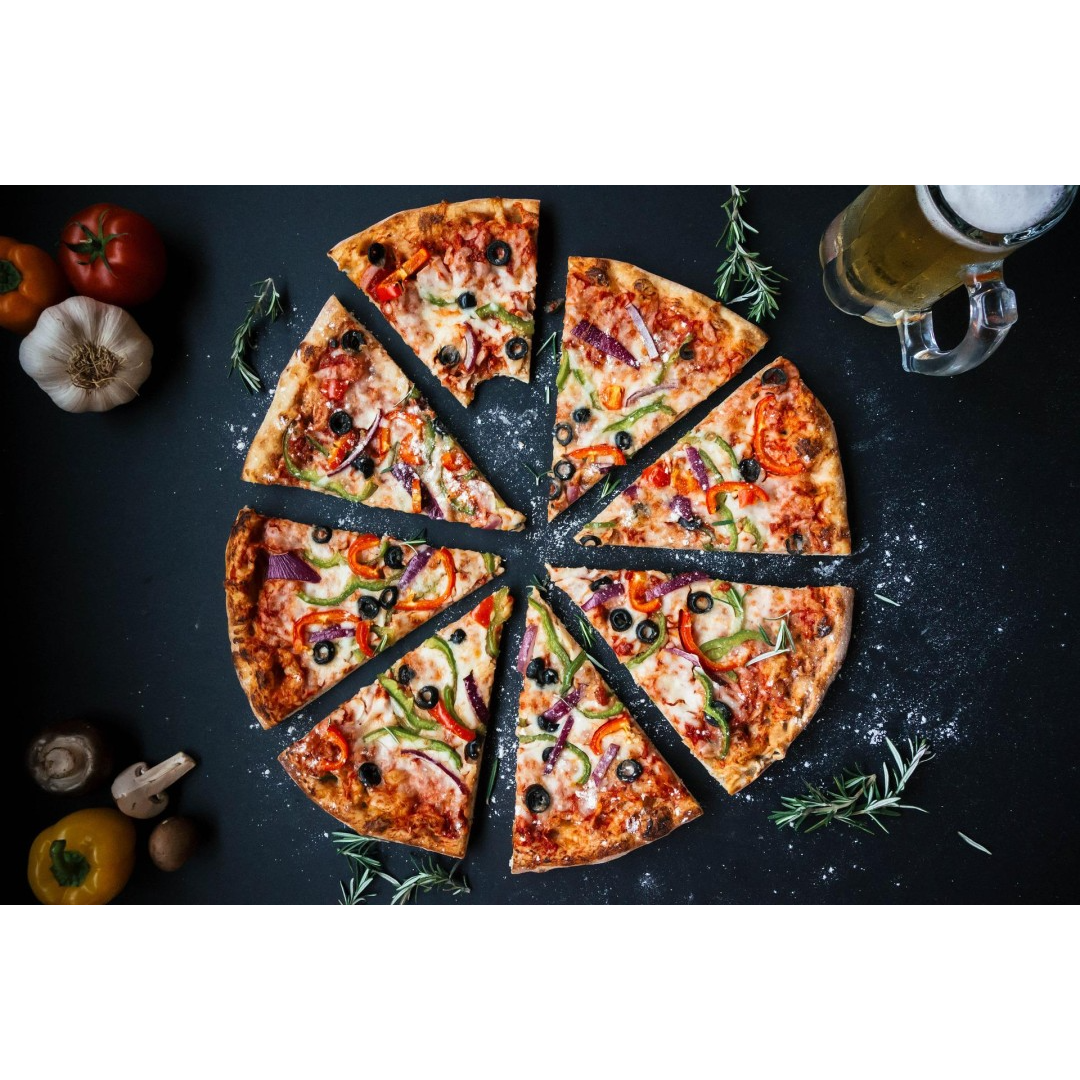
Imagine you invent pizza!
Imagine you file a patent application with an independent claim having the features of a dough base, a tomato topping, and at least one other topping.
A food item, comprising: a dough base; a tomato topping; and at least one other topping.
Imagine that you describe all sorts of examples of delicious pizzas in the patent specification, but that every single one of the described examples has a dough base, a tomato topping, a cheese topping, and various weird and wonderful combinations of other toppings too.
There’s a decent chance you’ll get an objection (e.g. from the EPO) that cheese is an essential feature of the invention because it’s in every single example given* and, therefore, that it needs to be recited in the independent claim(s).
Perhaps you envisaged a type of pizza that doesn’t have a cheese topping when drafting the patent specification.
Such a pizza does exist: pizza marinara.
You might even have included a dependent claim directed to the (at least one) other topping being / comprising cheese:
A food item according to any preceding claim, wherein the at least one additional topping comprises cheese.
The repercussive effect suggests that pizzas without cheese are envisaged by, and encompassed within, the scope of the independent claims(s).
However, it’s not uncommon for Examiners to say, in effect, that such a dependent claim needs to be pulled into the independent claims(s) because cheese is an essential feature.
Without giving a specific example of a no-cheese pizza, e.g. pizza marinara, it could be hard to persuade the Examiner that cheese isn’t an essential feature of a pizza, especially when it’s in all of the described examples. Though the Guidelines* can help here.
So, if there’s a feature that’s in most or all examples or embodiments and which isn’t an essential feature, or at least you don’t believe it to be an essential feature, consider saying so.
Consider giving a specific example of something that doesn’t have such a feature and/or that has a different feature instead of that feature.
* The Guidelines for Examination, Part F-IV, 4.5.2 are helpful here in defining essential features (emphasis added):
Essential features of a claim are those necessary for achieving a technical effect underlying the solution of the technical problem with which the application is concerned (the problem usually being derived from the description). The independent claim(s) must therefore contain all features explicitly described in the description as being necessary to carry out the invention. Any features which, even if consistently mentioned in the context of the invention throughout the application, do not actually contribute to the solution of the problem are not essential features.
** Photo reproduced from the linked-to Wikipedia page, with credit given there as “Peter Van den Bossche from Mechelen, Belgium – Pizza Marinara Uploaded by Diádoco”.
If you’re a patent-savvy tech business looking for patent help, get in touch with Russell IP here!
The information above is for general interest and information only and does not constitute legal advice.